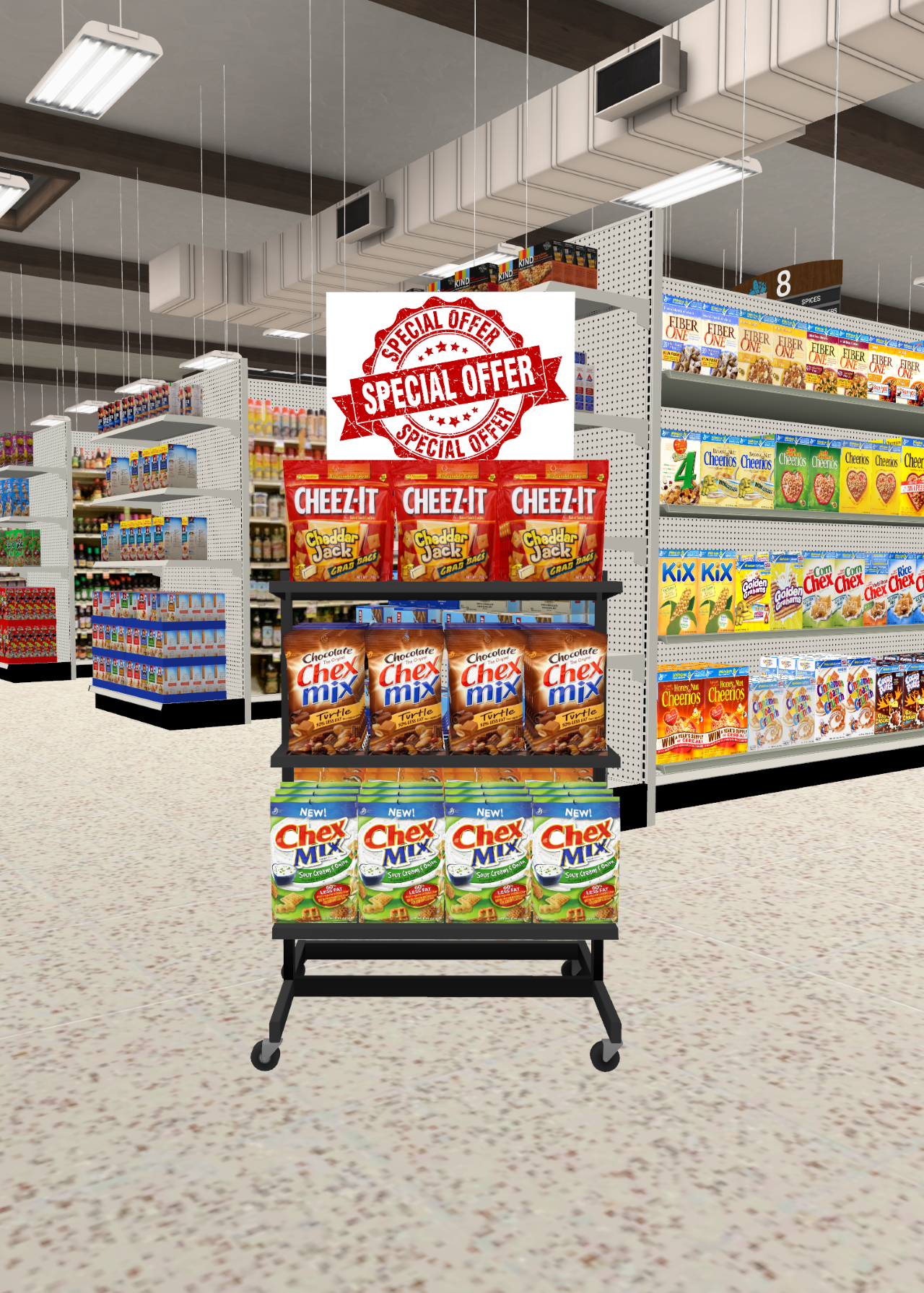

Consumer attitudes toward health and wellness are constantly evolving. Today, that evolution is being accelerated by factors ranging from social media and personalized nutrition to the focus on protein and the rapid adoption of GLP-1 medications. As shoppers increasingly focus on overall wellness, weight management, balanced nutrition, and long-term health goals, traditional “diet” messaging is becoming less relevant.
One CPG brand recognized this shift and questioned whether their existing aisle still reflected how consumers thought about their health and wellness journeys.
The Opportunity
Qualitative research revealed a significant change in shopper mindset. Consumers increasingly viewed Health & Wellness (H&W) as a lifestyle rather than focusing on the word “diet.” Many consumers disliked the traditional concept of dieting, while younger shoppers struggled to find products that aligned with their vision of living a healthy lifestyle. They found consumers were seeking solutions that supported broader wellness goals rather than short-term dieting outcomes.
The findings were particularly relevant today as GLP-1 medications continue to influence consumer behavior. While these medications are helping many consumers manage weight, they are also changing how shoppers think about nutrition. Many consumers are placing greater emphasis on protein intake, nutrient density, portion control, hydration, digestive health, and overall wellness.
As a result, retailers and brands have an opportunity to reorganize products around health goals and lifestyle needs.
The Challenge
The brand wanted to understand how different category concepts would affect shopper perception and how they shop the aisle. They needed a way to efficiently and effectively mine data that would set them on the right path for their various shopper sets.
The Solution
They partnered with InContext to develop and test a new category strategy before making changes in-store.
The InContext team:
- Developed a series of Lifestyle arrangement hypotheses to compare against the current Diet control set.
- Created virtual test cells featuring easy-to-understand one- and two-word signage supported by color cues and imagery.
- Tested the Lifestyle set with and without signage, and the traditional Diet set to understand how shoppers navigated and responded to each experience.
Using immersive virtual store testing, the team evaluated how different category structures impacted shopper engagement, satisfaction, and purchase behavior before implementing changes in-store.
Results
The simulated findings demonstrated that merchandising aligned with shopper mindset can drive meaningful results:
- The Lifestyle set did not alienate Boomer shoppers, who represented 65% of category sales.
- Shoppers under 35 showed a 38% increase in engagement when the Lifestyle set included signage that made the category easier to navigate.
- Overall shopper satisfaction increased by 10% with the Lifestyle arrangement and signage.
- The retailer moved forward with the Lifestyle set without requiring a follow-up in-store test, accelerating decision-making and reducing testing costs.
Conclusion
Over the following 52 weeks, the category delivered:
- 3% actual growth, exceeding the 7% growth predicted during testing
- 33.7% growth among shoppers under 35, closely matching the predicted 38% lift
This study demonstrates that category growth often comes from improving how shoppers experience the aisle, not just from adding new products.
As emerging trends reshape consumer priorities—from lifestyle wellness to the growing influence of GLP-1 medications—brands and retailers must continually evaluate whether their category organization reflects how shoppers actually think about their needs.
By using virtual store testing, brands can evaluate these opportunities before investing in physical pilots, helping them make faster, more confident merchandising decisions while reducing risk.
The result is a category strategy built around the shopper—not yesterday’s definition of health and wellness.